






















































What Are Virtual Phone Numbers? — Complete Guide
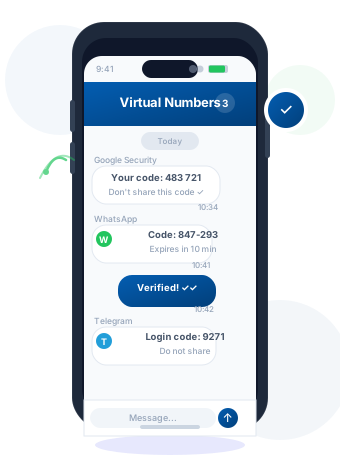
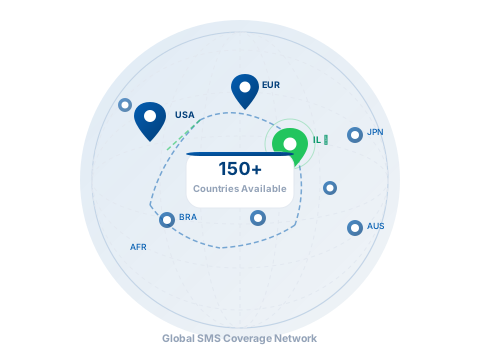
A virtual phone number is a telephone number that exists entirely in the cloud, with no physical SIM card or telephone line attached to it. When a platform or service sends an SMS to a virtual number, the message is delivered instantly to your online dashboard. Tourist eSIM provides virtual numbers from 200+ countries, making it easy for travellers, businesses, and privacy-conscious users to receive SMS verification codes from anywhere.
Why Do Platforms Require SMS Verification?
SMS verification — also called one-time password (OTP) or two-factor authentication (2FA) — is used by platforms to confirm that a new user has access to a real phone number. Services like WhatsApp, Google, Uber, and Instagram require this step to reduce fraud and fake accounts. A virtual phone number passes this check identically to a physical SIM card, because it is a real, registered local number.
Virtual Numbers vs. Physical SIM Cards
A physical SIM requires hardware, shipping, and a roaming plan when used abroad. A Tourist eSIM virtual number requires none of that — activate instantly from any device, in any country, for any local number worldwide. You can even hold numbers from multiple countries simultaneously, something physically impossible with SIM cards alone.
Which Plan Should I Choose?
For a quick one-time SMS verification, a daily or weekly plan is the most economical option. For ongoing use — such as maintaining a local business number, keeping a long-term WhatsApp account, or regular 2FA logins — monthly or annual plans deliver better value and allow you to keep the same number long-term. All plans include immediate activation and full SMS reception.
Privacy & Security Benefits
Using a virtual number is one of the most effective ways to protect your real phone number from data breaches, spam, and unsolicited contact. When you register on third-party platforms using a virtual number, only that virtual number is stored in their database. Your personal SIM number stays completely private — even if the platform is later compromised.

